
Jesus often taught His disciples using parables. A parable is an earthly story used to convey a spiritual or heavenly truth. This parable of the Sower is filled with encouragement and exhortation for those who are followers of Jesus. There are three main characters in this story.
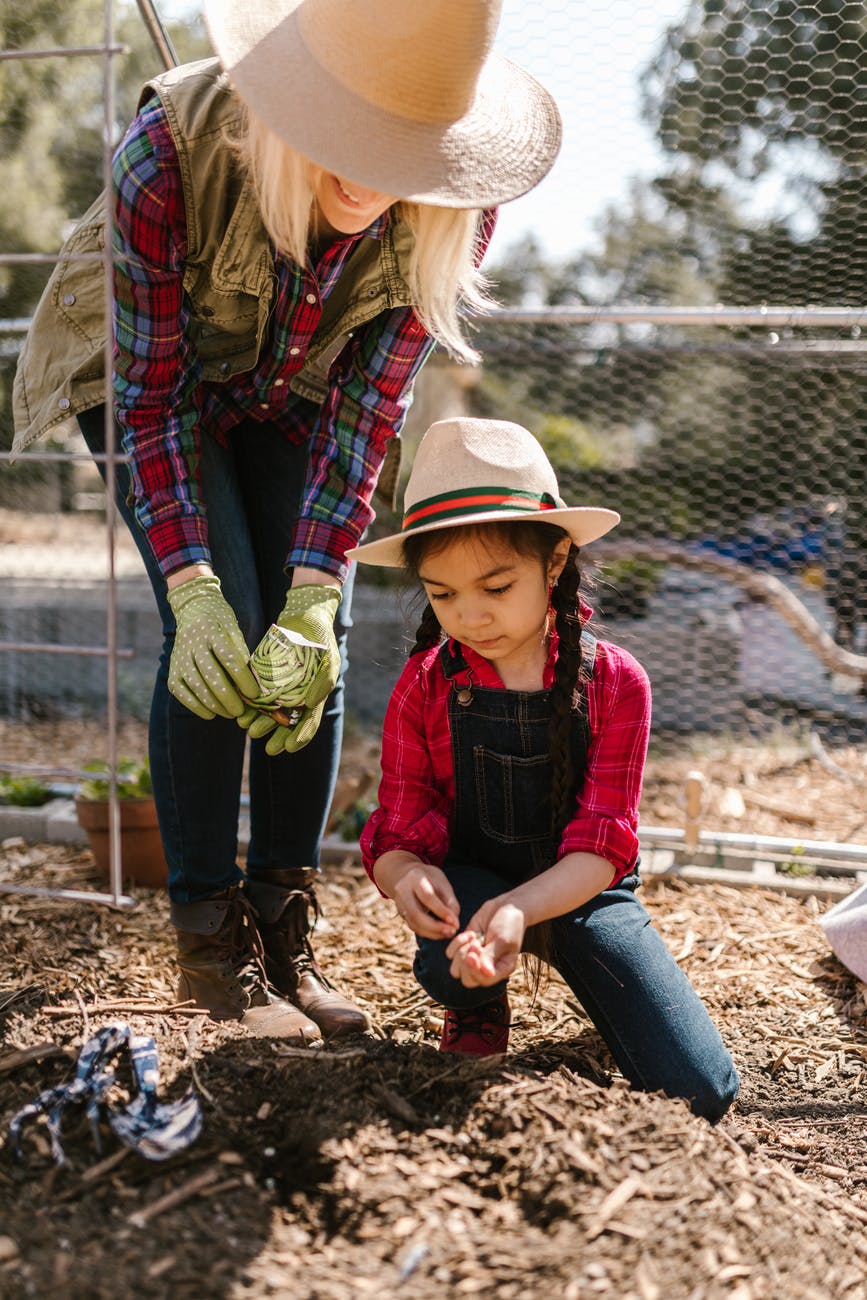
The sower-one who scatters seed or plants seed. You might think of a farmer. His job is fairly simple. Obtain seeds of a crop that he desires to grow and harvest. The seed will determine the produce, the fruit or vegetable that will be available for harvesting, selling, consuming in the future. The sower’s chief responsibility, get the seed to the soil. Scattering and planting the seed in the soil.
The seed is a small, unimpressive, specimen that looks nothing like the life and potential contained within. It is usually not tasty, though sometimes it can be. It can’t do anything by itself and appears to be dead. Yet, the seed, though small, has great capacity, amazing potential and though dead, gives life and has the potential to produces a harvest of fruit or vegetables. It can lye dormant for a long period of time, but with moisture and the nutrients of good soil will germinate and the blade of life will push through the exterior of the seed’s walls, sending roots into the soil and a life giving plant into the sky. The seed will produce an abundance of fruit and vegetables each containing many seeds with the same life giving, life producing potential.
The soil, like the seed, seems to be boring and unimpressive. The soil doesn’t move on it’s own, doesn’t make sounds, doesn’t respond. It appears inanimate. However, the soil has minerals and nutrients that combined with moisture provides the environment for a lifeless seed to come to life, to germinate, to push beyond it’s exterior limits and with roots take in the moisture, minerals and nutrients and with it’s leaves and flowers take in the sun’s rays (photosynthesis) and moisture from the air or rain that combines with the soils minerals and nutrients and causes the plant to grow, to produce stems, limbs, buds, flowers and eventually a fruit or vegetable that is tasty, nutritious and life giving to insects, animals and humans.



A faithful sower, with good seed, and rich soil has great potential to experience successful harvests. Notices the one thing that is consistent is the seed. The variables are the sower and what kind of soil he sows into. The soil’s condition described in this parable are Hard, Rocky, Thorn & Weed infested or Good, Rich, Nutrient infused.
What does it all mean?
I’m glad you are wondering. Let’s explore a little deeper. Who is the sower? What is the seed? What difference does the four different soils make? In Mark 3:13-20, Jesus explains the meaning and the importance of this parable to His followers then and now. As we dig deeper (no pun intended) I hope you not only gain a little deeper understanding but renewed confidence, commitment and contagion about the seed’s and soil’s potential and your role and responsibility as a sower.
The Sower describes Jesus and his future followers. Jesus teaches, proclaims biblical truth, gives godly instruction, teaches the coming of the kingdom of God. Today, all disciples of Jesus, have the privilege and the responsibility to sow the seeds of God’s word, the Gospel Message, into soil of people’s souls in this world. Sowers sow by taking seed out of the bag and dispersing it to the soil. The seed is powerful with unimagined potential but is powerless in the seed bag. The seed’s potential can only be realized when it is taken out of the seed bag and spread on the soil.
The Seed is the Word of God. God’s written word may seem inanimate, just words on a page, but it is filled with life giving potential and power as it’s principles are proclaimed. Jesus taught the word, sowing seed into the heats and minds of those who listened (Mk. 1:15, 45; 2:2; 6:12). Jesus Himself is the Living Word (John 1:1) God inspired prophets, kings, priests, apostles and disciples to write His word so that we have access to the Word even today ( 2 Timothy 3:16,17, 2 Peter 1:19-21). Hebrews describes the word:
For the word of God is living and active, sharper than any two-edged sword, piercing to the division of soul and of spirit, of joints and of marrow, and discerning the thoughts and intentions of the heart. And no creature is hidden from his sight, but all are naked and exposed to the eyes of him to whom we must give account.
Hebrews 4:12–13 (ESV)

Photo by Delphine Hourlay on Pexels.com 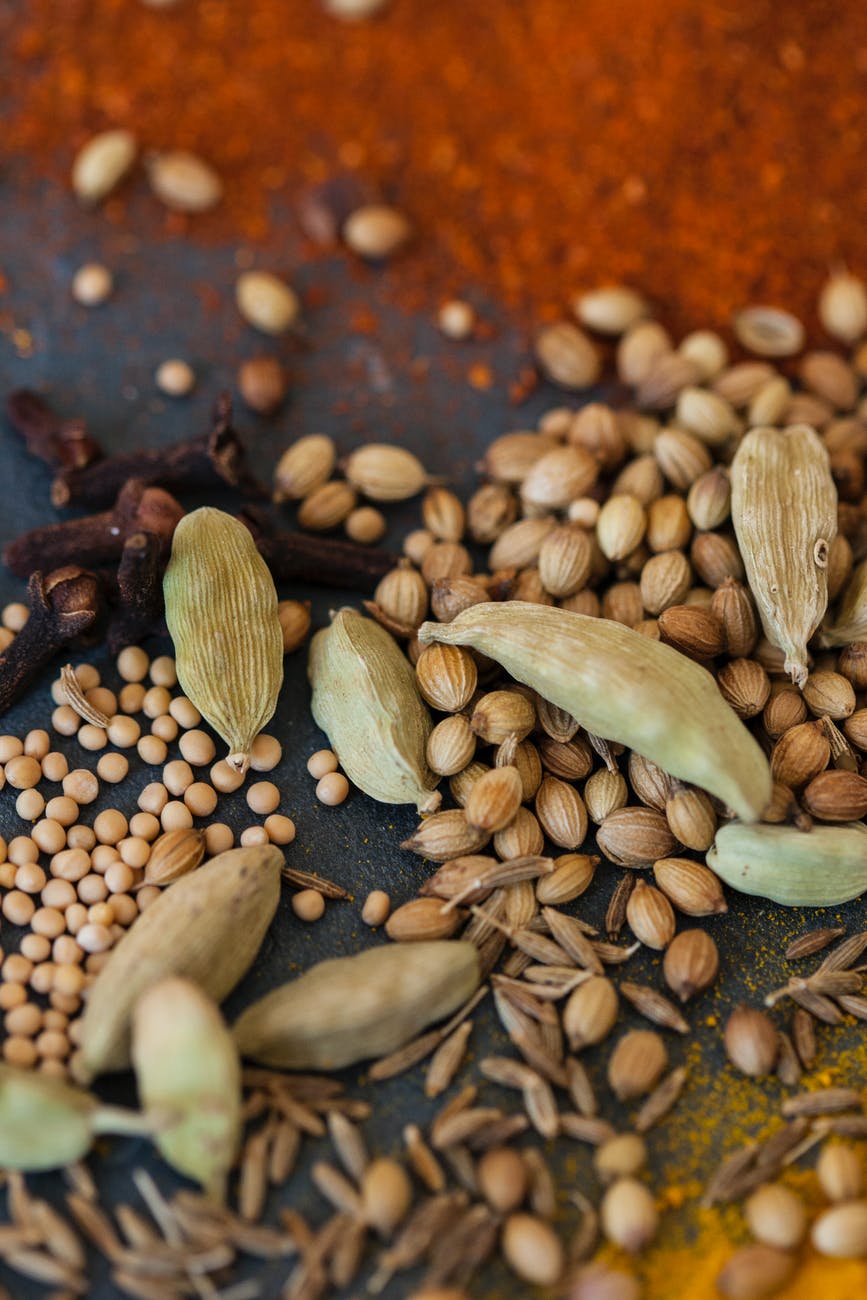
Photo by Kim van Vuuren on Pexels.com
The Soil is the hearer, the one who listens, who takes it in. The Soil is the variable in the story. There are four kinds of soil representing four different listeners. Just as the condition of the soil impacts the germination and growth of a seed. The heart condition of hearers impacts the work of the word in a person’s life.
The first three soils are not productive and represent those hearers who have not received eternal life, who have not come into the Kingdom of God. The good soil is soil that received the seed, is fertile, clean, nutrient and moisture rich which facilitates the seed germinating, developing roots, pushes out the leaf of life and over time producing a fruitful harvest of “thirty fold, and sixty fold and a hundred fold” (Mark 4:20). This represents the person who’s heart is open and receptive and who welcomes the Word, the Gospel Message into their heart and mind. Their heart and mind has become fertile as it has been cultivated by prayer and an environment rich in the love and acceptance of authentic and loyal followers of Jesus. The seed of God’s word finds a heart repentant of the hardness of unbelief, bitterness, idolatry, and false worship and has taken in the nutrients of love, joy, peace through a relationship with Jesus and the fellowship with other believers.

Photo by Santiago Manuel De la Colina on Pexels.com 
Photo by Karolina Grabowska on Pexels.com 
Photo by Binyamin Mellish on Pexels.com 
Photo by Adrien Olichon on Pexels.com 
Photo by Oziel Gu00f3mez on Pexels.com 
Photo by nappy on Pexels.com 
Photo by Jan Kroon on Pexels.com
Let’s explore the soils and the four hearers a little deeper.
Hard Soil-describes the footpath next to the field, hardened by repeated traffic of walkers and wagons going back and forth. In terms of hearers, this describes the person with a closed heart and mind. Perhaps, hurt, disillusionment, or wayward ways has led this person to be unreceptive. Even though they may physically hear the Good news they are unable to take it into their minds and hearts and the enemy replaces the truth with further deception and lies that continue to guide this person’s path. The problem is not the seed’s potential, but the soil’s incapability to receive the seed.
Rocky Soil-describes the soil that is loosened but because of rocks below the surface prevent the seed from being rooted and therefore unable to grow and bear fruit. This describes a hearer that receives the word into their mind at the surface, conscious level, but have a mind and heart that is shallow and unable to let the seed of God’s word take root in the depths of understanding (the subconscious), and so they too bear no fruit. This hearer might show immediate interest and even appear to have life, but when trials, persecutions, obstacles show up they back away from their commitment. Because the Word could not take root, their spiritual interest dries up rather quickly and the evidence of spiritual life withers away.
Thorny Soil-describes soil that is receptive and has the potential to not only germinate, grow roots, and push leaves beyond the surface, but also with the potential to bear fruit. However, the fertile soil also contains seeds of weeds and thorns that compete for the moisture and nutrients available to nourish the life contained in the seed and produce fruit. So the good seed, though rooted and initially established is starved of available moisture, minerals and nutrients and fails to thrive until fruit is produced. It may continue to exist alongside the thorns and weeds but vibrant, fruit bearing life is choked out. This describes the hearer who hears, receives and begins to experience the evidence of life. Truth tries to take root in the heart and mind. Spiritual life looks possible as they may begin to spend time with others who have spiritual life or read the Bible or pray. However, because true repentance has not taken place the seeds of sin, doubt, lusts and false beliefs remain in the heart and mind and draw on the resources of time, attention and focus so that the heart and mind is drawn away from truth and forgiveness and obedience and love and is given to lusts, bitterness, unbelief, and disobedience. Though the person may continue in religious or spiritual activities occasionally, their lives fail to hear the fruit of the Spirit, to produce the fruit of love, joy and peace (Galatians 5:22), with no blooms and no fruit this life is unattractive to others who are lost, and fails to reproduce the fruit of disciples who disciple others.
Good Soil-describes the soil that is cultivated to receive good seed, that is free of rocks and stones that limits the soils potential, and has been cleared of the root and seeds of weeds and thorns that will compete for the soils moister, minerals and nutrients. Therefore the seed is able to germinate, sprout roots and stalks that spread through the soil and burst through the surface. Roots freely take in moisture, minerals, nutrients. The stalk grows leaves that are able to take in the suns rays and through photosynthesis causes growth, development and maturity that will then yield fruit and vegetables to be harvested and enjoyed by animals and humans. This describes the hearer that has repented of past lusts, false beliefs, bitter resentments and any sin or transgression that stands between them and God’s holiness, love and grace. So now, forgiven and freed, they receive the seed of God’s Word, the Gospel Message into a fertile heart and mind. The Word of God, the Gospel, is able to germinate, to be received and believed, and produce faith, hope and love. Through the continued nourishment of God’s truths, the guidance of the Holy Spirit, the fellowship of other believers, the germinated seed, the born again, new creation pushes deep roots into the Word and sprout branches that if attached to the Vine of Jesus will grow, thrive, and produce the fruit of salvation, the fruit of the Spirit, and will attract other people to want to receive the Gospel seeds of abundant life, that grow, thrive and bear fruit to God’s glory. This new birth, born again disciples continues to grow, to mature, and to bear fruit and has the capacity to reproduce by sharing it’s seeds with other people who are empty, seedless, dead and unproductive.
In Summary:
- Some will be hard and and won’t be interested. They will resists receiving the seed and will remain barren and dead.
- Others will show interest and appear receptive, but their minds and hearts are full of the rocks of unbelief and the Gospel is unable to take root.
- Still others will receive the Gospel and will begin to show some signs of potential life, such as reading the Bible, attending worship services, but have hearts and minds that are polluted with false beliefs, lustful and immoral activity, un-forgiveness and bitterness, so that the Gospel seed is choked and strangled to the point of languishing and withering and never able to grow to maturity and bloom or reproduce. They turned toward Jesus but failed to turn away from the false beliefs, idles and gods that have taken root in the depth of their minds, heart and souls. They attend church when convenient, read the Bible if prompted , offer up lifeless prayers over meals, but the soil of their souls have not room for God’s word to take root, to grow and mature, so they live empty, meaningless, withering lives that result in evil enemies, empty endeavors, endless education, evil empires, and escapeless eternity.
- But, some people through the cultivating work of the Word of God, the Holy Spirit and Healthy followers of Jesus (John 13:34,35) will be ready, receptive and will receive and believe (John 1:11-13) the Gospel and will repent and follow Jesus Christ and bear fruit by leading others to repent and believe and become a follower of Jesus who leads others to become followers of Jesus. Good soil, cultivated hearts and souls, will multiply and produce a harvest of righteousness. Through spiritual birth and growth, believers will bear fruit and reproduce abundantly, whether thirty-fold, sixty-fold or a hundred fold.
My prayer is that this parable and spiritual truth will encourage you as a follower of Jesus to consistently, purposely share the seeds of the Gospel of Jesus and the living Word into the soil of peoples hearts and souls as you go about your everyday life. You have the seed, full of life and potential. You will intersect with many different souls each day. You cannot see below the surface so sow widely and broadly. Then when the seed germinates, roots and sprouts consider how you can cultivate the soil, the hearts and minds with love, prayer and relational fertilizer. You can be sure that some of the seeds will grow, will produce fruit and will reproduce.
I served under Dr. Laney Johnson who pastored Mobberly Baptist Church for 37 years for the last 13 years of his ministry. I heard him teach these sowing principles many times.
You reap what you sow.
You reap only after you sow.
You reap more than you sow.
Dr. Laney L. Johnson, Mobberly Baptist Church, C1995-2007
So, fellow believers, fellow sowers…Sow!
Sow intentionally, liberally, purposefully. Sow the seed of the Gospel of Jesus Christ, the Living Word.
Cultivate the soil through prayer, love and fellowship with other believers.
Then prepare for a harvest of new life, fruit producing believers, and disciples who multiply!

Photo by Pixabay on Pexels.com 
Photo by Pixabay on Pexels.com 
Photo by Markus Spiske on Pexels.com 
Photo by Pixabay on Pexels.com 
Photo by Zen Chung on Pexels.com 
Photo by Julia Volk on Pexels.com 
Photo by Maria Lindsey Content Creator on Pexels.com 
Photo by Julia Volk on Pexels.com 
Photo by Livier Garcia on Pexels.com 
Photo by Quang Nguyen Vinh on Pexels.com
 RESTORING HOPE